
Guide · November 2026 · 3 min read
How Construction Loans Work for a Custom Home
Buying an existing house is one transaction: the lender looks at the house, appraises it and funds the purchase. Building a custom home is different, because on the day you borrow there is no house yet. That is why most custom homes are financed with a construction loan. We are builders, not lenders, so take this as an orientation and talk to a lender early. Here is how the pieces fit together.
Why a construction loan is different
A construction lender is lending against a plan. Instead of a finished house, it looks at the drawings, the specifications, the budget, the builder and an appraisal of what the home will be worth when it is complete. The money is not handed over in one lump. It is released in stages as the work gets done.
One-time close or two-time close
There are two common structures. A one-time close loan, often called construction-to-permanent, combines the construction financing and the long-term mortgage into a single loan with one closing before the build starts. When the house is finished, it converts to the permanent mortgage.
A two-time close uses two separate loans. You close on a short-term construction loan to build, and when the home is complete you close again on a permanent mortgage that pays it off.
The trade-off is simplicity against flexibility. One closing means one set of closing costs and one round of underwriting. Two closings mean paying closing costs twice and qualifying twice, but they leave you free to shop for the permanent mortgage when the house is done. Which one fits depends on your finances and the market, and that is a question for your lender.
How the money moves: draws
The lender sets a draw schedule tied to milestones such as the foundation, framing, roofing and finishes. Before releasing each draw, the lender usually sends an inspector to confirm the work is done. During construction you typically pay interest only on the amount drawn so far, which keeps early payments lower than you might expect.
Draws reward a builder who keeps a schedule. Each one waits on an inspection, so a well-sequenced build keeps the money, and the work, moving.
What your lender will ask for
- A complete set of plans and specifications
- A signed construction contract with a detailed budget
- Information on the builder, including license and insurance
- Details on the land: purchase contract or deed, and any loan on it
- Your own financial documents, as with any mortgage
The common thread is detail. A lender wants to know exactly what is being built and what it costs before committing. That lines up with how we work: in our building process, selections, scope and budget are defined before the construction agreement is signed, so the numbers a lender sees are real ones.
If you already own the land
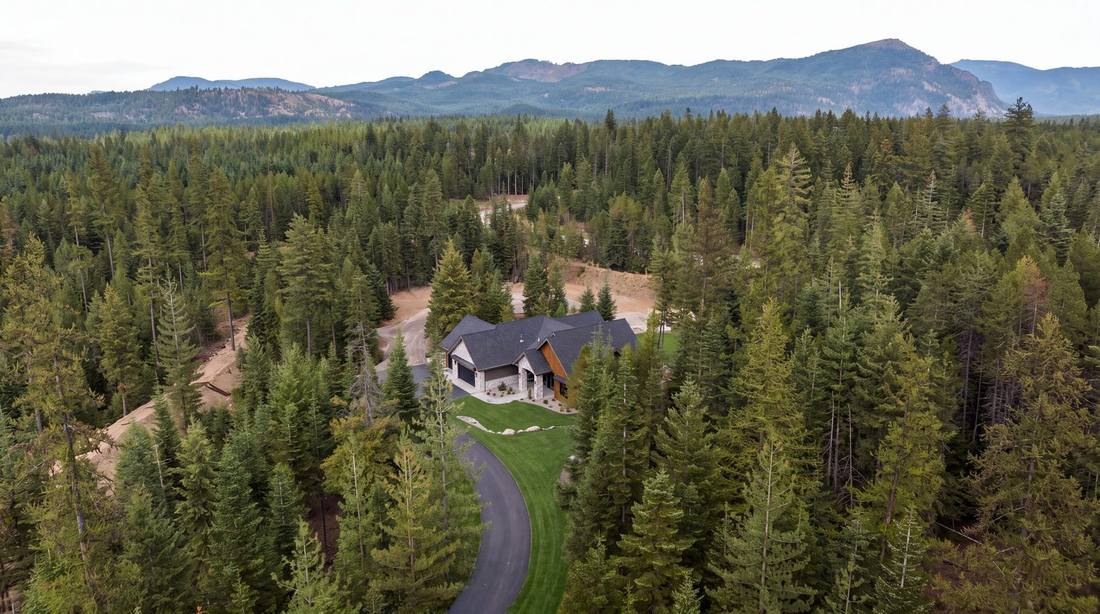
Land you already own can carry real weight in a construction loan, and some lenders will count your equity in it toward the down payment. Ask how your lender treats it. If you are still buying land, a separate lot loan may come first, then roll into the construction financing. A build-ready homesite, like those at the Estates at Farragut, simplifies the land side of the conversation because the well, power, access and approvals are already handled.
Plan for the unexpected
Every build has surprises, from rock in the excavation to a selection that changes halfway through. A sensible contingency in the budget, and decisions made before construction rather than during it, keep a construction loan from turning into a scramble. Our article on what it costs to build here covers where the money goes.
Questions to ask a lender
- Do you offer one-time close, two-time close, or both?
- How many draws are there, and how long does each inspection take?
- How do you treat land I already own?
- What happens if the build runs over budget or over schedule?
- When can I lock my rate?
Every situation is different, and this is general information rather than financial advice. When you are ready to talk about the home itself, we are here.
← Back to the JournalMore from News & Journal.
What It Costs to Build a Custom Home in North Idaho
Land, site work, size, and finish level all move the number. Here’s an honest look at what shapes the cost of a custom home in North Idaho.
Read the story ›Our Custom Home Building Process
Every great home begins with a conversation. The seven stages of building a custom home with Safe Haven — from first vision to the day the door opens.
Read the story ›Building a Custom Home on Your Own Land in North Idaho
Already own acreage? Here’s how the process works when you build on your own land — from walking the site to handing over the keys.
Read the story ›