
Guide · October 2026 · 6 min read
Wells, Septic and Permits: Building on Land in Kootenai County
Raw land in North Idaho is beautiful because nothing has been done to it yet. That is also the challenge. Before a custom home can go up on an acreage parcel, the ground needs a way in, a way to handle wastewater, a source of water and power, and a county permit — and those pieces depend on one another. Getting the order right is what keeps a build on schedule.
Start with the parcel, not the house
Everything begins with walking the land. Grade, soil, trees, where water runs in spring, and how far the house will sit from the road all shape what comes next. If you are still deciding whether to buy, this is the cheapest hour in the whole project. Our guide to building on your own land lists what to check before you close.
Access and the highway district
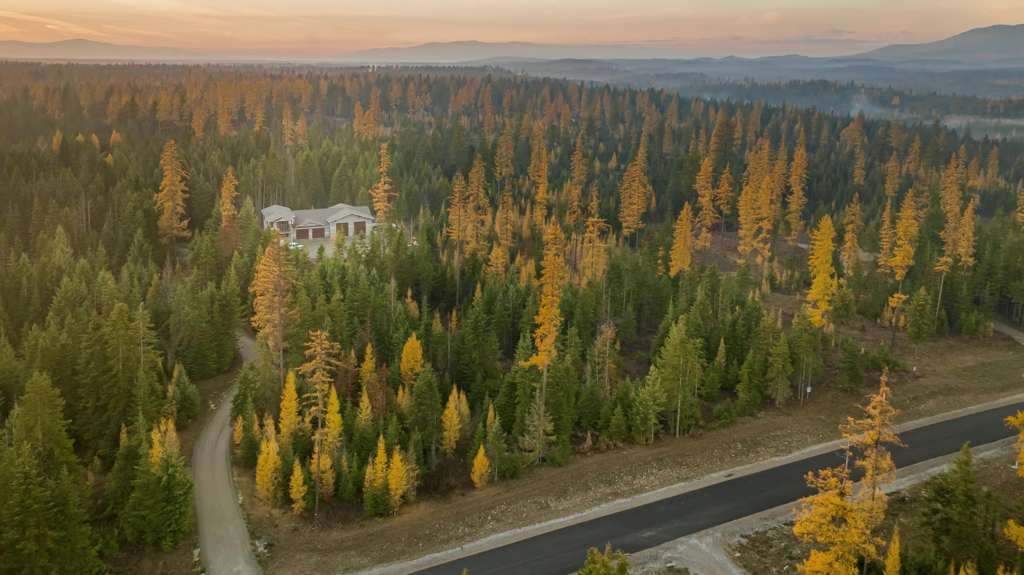
A building permit needs legal, buildable access. In Kootenai County, approvals from outside agencies are generally required before the county issues a permit, and the county names the highway and fire districts among the most notable. A new approach onto a road, the width and grade of a long driveway, and whether a fire truck can reach the house and turn around are all part of that review. On a big parcel the driveway is often one of the larger site costs, so it pays to place the house with the drive in mind.
Septic and the health district
Most rural homes here use an on-site septic system, and that system needs approval from Panhandle Health District before the county will issue a building permit. The soil decides a great deal: how well it drains, how deep it goes, and where a drain field can sit relative to the well, the house, slopes and property lines. On some parcels the best spot for the drain field ends up deciding where the house goes, not the other way around. Testing the soil early tells you what kind of system the land will accept.
Water: wells and the domestic exemption
Where there is no public water, the home is served by a private well. Idaho law allows domestic wells for a single home under an exemption from the state water-right permit process, as long as total use stays at or under 13,000 gallons per day, and that allowance includes irrigating up to half an acre. Wells still have to be drilled by a licensed driller and are subject to state inspection. Idaho updated its domestic-use and well statutes in 2025 and again in 2026, including changes that affect subdivisions, so it is worth confirming the current rules for your parcel with the Idaho Department of Water Resources.
Depth and flow vary from one side of a ridge to the other. Neighboring wells are a useful clue, and so is the well log for nearby parcels.
Power and the long run in
Power is usually the least dramatic piece and sometimes the most expensive. The distance from the nearest line, whether it runs overhead or underground, and the size of the service you need for a home and a shop all change the number. If a shop, an RV pad or a future accessory building is in the plan, size the service now. Adding capacity later costs more than building it in.
The county building permit
With the outside approvals lined up, the plans go to Kootenai County. The county currently builds to the 2018 International Residential Code, adopted by county ordinance effective January 1, 2020. Submittals are made electronically, and the county asks for complete, buildable drawings: every room labeled with its use, no “future” or “preliminary” sheets, and stamped engineering where the design requires it. Electrical and plumbing permits are handled separately through the Idaho Division of Occupational and Professional Licenses.
The county’s design criteria matter here too: footings buried at least 24 inches, roof snow loads set by zone, and a parcel-specific engineered load in the heaviest snow areas. There is more on that in designing for North Idaho winters.
Why the order matters
Each step depends on the one before it. The septic location affects the well location. The house position affects the driveway, the power run and the drain field. The permit waits on the outside agencies. When these happen in the wrong order, a project stalls while one approval waits on another. When they are sequenced up front, the calendar is predictable.
We manage all of it in-house — site work, wells and septic, county permitting and the build itself — with one point of contact. Our building process puts it into a single preparation stage before anyone breaks ground.
The shortcut: a build-ready lot
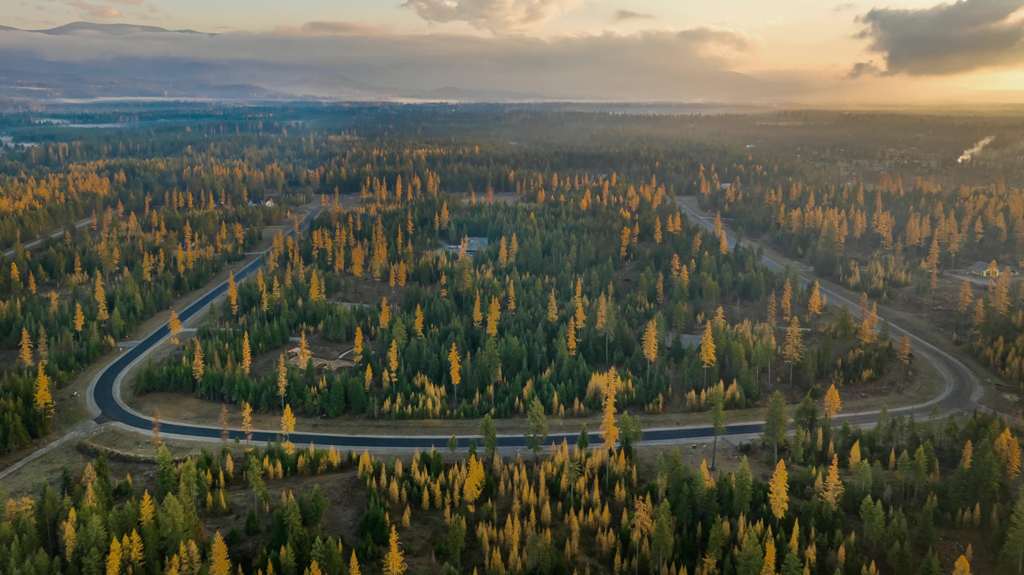
If you would rather skip most of this, the five-acre homesites at the Estates at Farragut are build-ready, with the well, power, access and county approvals already handled. For everyone else, tell us about your land and we will walk it with you.
Sources: Kootenai County Residential Building Guide; Idaho Department of Water Resources, domestic exemption. Requirements change; confirm the current rules for your parcel with each agency.
← Back to the JournalMore from News & Journal.
Building a Custom Home on Your Own Land in North Idaho
Already own acreage? Here’s how the process works when you build on your own land — from walking the site to handing over the keys.
Read the story ›What It Costs to Build a Custom Home in North Idaho
Land, site work, size, and finish level all move the number. Here’s an honest look at what shapes the cost of a custom home in North Idaho.
Read the story ›The Estates at Farragut: Five-Acre Homesites Near Farragut State Park
Twenty-seven private, tree-lined five-acre homesites on Leonard Loop — build-ready, minutes from Farragut State Park and Lake Pend Oreille.
Read the story ›